Blooket vs Kahoot: Which Platform Wins for Interactive Classroom Fun in 2026?
Educators everywhere hunt for ways to spark genuine excitement during lessons, and two names keep rising to the top: Blooket and Kahoot. Both turn ordinary question sets into lively experiences, yet they deliver completely different vibes. Blooket feels like stepping into a colorful arcade where strategy meets knowledge review, while Kahoot delivers the rush of a live game show packed with rapid-fire competition. Teachers often type “Blooket vs Kahoot” into search bars to figure out which one better suits their students, whether in elementary classrooms craving variety or high school settings needing quick assessments.
This fresh 2026 comparison dives deep into what makes each platform shine, covering everything from setup simplicity to long-term learning impact. By the end, you’ll see clear paths for choosing the right tool or even blending both for maximum results.
Understanding Blooket: Arcade-Style Learning Adventures.
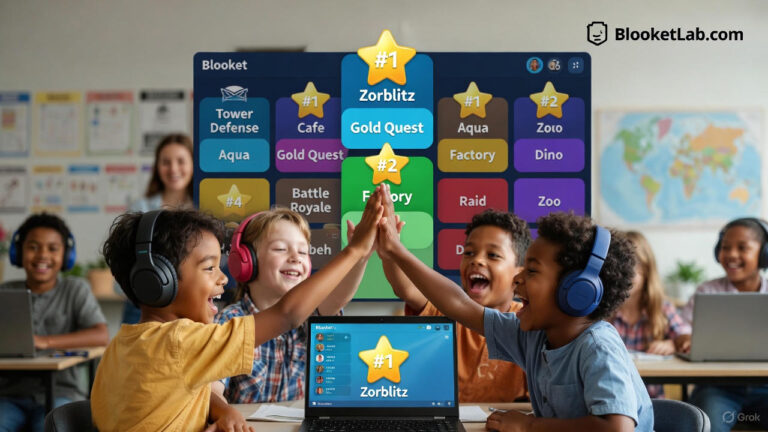
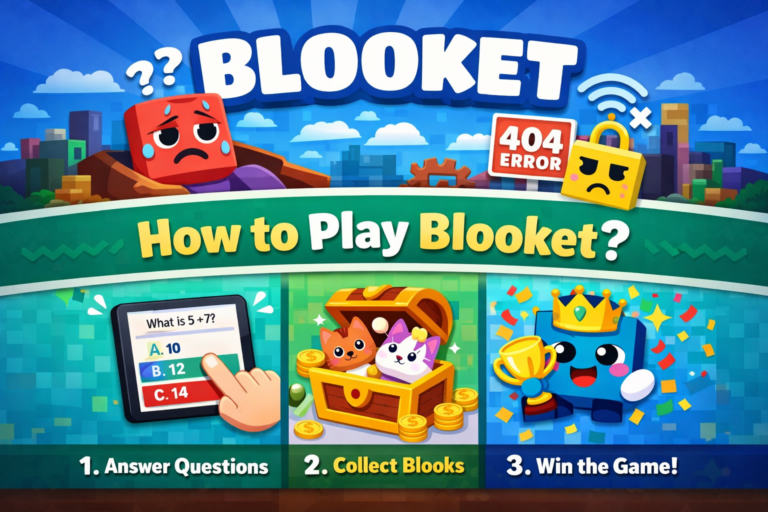
Blooket launched as a fresh take on quiz platforms, quickly gaining fans for its creative twist. Teachers build question banks covering math drills, science facts, history timelines, vocabulary builders, or any topic, then wrap those questions inside one of many engaging play styles. Popular favorites include Tower Defense, where correct answers build protective structures; Gold Quest for treasure hunting; Cafe for serving customers; Factory for production lines; Crazy Kingdom for kingdom management; Monster Brawl for creature battles; and newer additions like Busy Bees or Plushie Panic that keep things feeling novel.
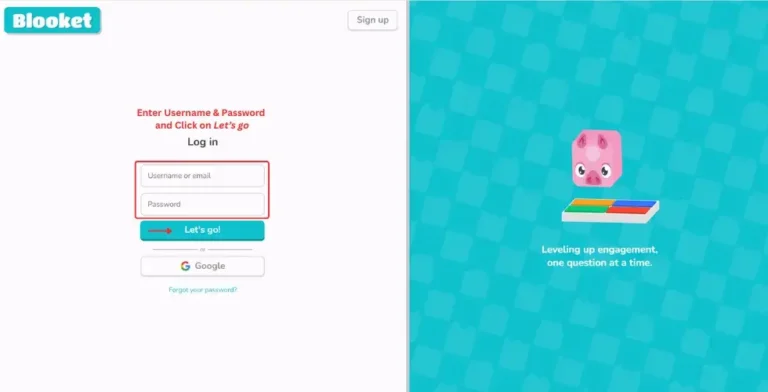
Students join sessions through a simple code or link at play.blooket.com. They pick playful nicknames, select avatars, and jump in; no heavy account creation is needed for basic play. The real magic happens with collectible characters called Blooks, power-ups earned through smart answers, and progression systems that reward consistent effort. This setup turns review time into something students actually look forward to, especially younger learners who thrive on visuals and rewards.
Exploring Kahoot: Fast-Paced Quiz Show Energy.
Kahoot pioneered the live quiz trend years ago and still holds strong for its straightforward approach. Hosts craft Kahoots with multiple-choice, true-false, puzzles, polls, or even image-based prompts. During live play, everyone races against the clock on the same questions, watching leaderboards update in real time. The energy peaks when music blares and colors flash, creating that classic game-show atmosphere.
Joining happens fast via kahoot.it or the dedicated app. Enter the PIN, choose a fun name (random generator included for extra laughs), and go. Kahoot supports team play, accuracy-focused rounds, confidence boosters, and homework-style challenges that students tackle solo. Its strength lies in immediacy: minimal setup, massive group compatibility, and built-in discussion pauses that let teachers clarify concepts mid-game.
Head-to-Head: Key Differences That Matter Most
Joining feels effortless on both, but slight edges appear. Blooket supports late arrivals smoothly and offers bookmark-friendly URLs, while Kahoot’s numeric PINs prove super easy for little kids to type. Device compatibility covers browsers, tablets, and phones equally well; no downloads are required for core use.
Game variety stands as the biggest split. Blooket packs over a dozen modes that shift how players earn points through strategy, resource management, or direct battles, making every session feel unique. Kahoot sticks closer to traditional racing formats with tweaks like team vs. team or chill art modes, prioritizing speed and shared excitement over complex mechanics.
Engagement styles diverge too. Blooket motivates through personal growth: unlock new Blooks, stack power-ups, and climb personal ranks even if someone starts slow. This helps quieter students stay invested. Kahoot thrives on group energy; seeing peers surge ahead pushes everyone to focus harder, though early mistakes can discourage some players.
Question creation works similarly: import lists, add media, and use AI helpers for quick drafts. Blooket boasts a huge community library of shared sets, while Kahoot offers polished, curated collections plus strong reporting for tracking mastery over time.
Pricing remains teacher-friendly. Both provide solid free tiers. Blooket allows up to 60 players per game with most modes unlocked, and Kahoot caps free live games at smaller groups but includes homework features. Paid upgrades unlock bigger classes, exclusive content, and advanced analytics. Blooket Plus often costs slightly more annually but delivers deeper customization; Kahoot plans emphasize professional tools for bigger events or corporate training.
Real Classroom Impact and Student Feedback.
Teachers report higher participation when using Blooket for review days; students replay solo modes at home, leading to better retention on tests. The game-like feel suits elementary and middle school best, where fun drives repeat play. Kahoot excels in timed warm-ups or large lectures, building quick recall and class-wide buzz. High schoolers often prefer its structure for objective checks.
Many educators mix both: Kahoot for live kickoffs and discussions and Blooket for deeper practice and independent work. Hybrid approaches maximize strengths without forcing one tool to do everything.
Final Verdict: Pick Based on Your Goals.
If your priority is turning study time into addictive, varied adventures that keep kids coming back, Blooket pulls ahead—especially for younger groups or creative teachers who love mixing things up. Its reward loops and mode diversity create lasting motivation.
If you need lightning-fast setup, reliable large-group play, and a proven quiz-show format that sparks instant energy, Kahoot remains unbeatable. Its simplicity and analytics make it a safe, effective choice for structured lessons.
Neither is “better”; universally, success depends on age group, class size, lesson goals, and student preferences. Test both free versions in your next unit. Watch how your learners light up, track participation, and measure knowledge gains. In 2026’s evolving edtech landscape, having options like these empowers every teacher to create moments students remember long after the bell rings.
Recent Updates Shaping the Experience in 2026.
Blooket continues evolving its arcade-inspired ecosystem. In late 2025 leading into 2026, developers refreshed classic modes like Café with streamlined mechanics, cleaner visuals, and better solo flexibility—making it easier for students to practice independently without losing the fun factor. Crazy Kingdom got graphical upgrades and expanded prompts as kingdoms grew, while Monster Brawl and Racing received smarter power-up systems. New additions from Season 7, such as Busy Bees, Mini Mine, Star Grazer, and Zorblitz (a free solo mode), expand the lineup to over 25 options. Seasonal events bring limited-time thrills, like Santa’s Workshop for winter or Candy Quest during holidays, complete with themed Blooks packs that reward participation. These changes emphasize accessibility enhancements, font adjustments, audio support for questions, and host controls for team modes, ensuring inclusivity across diverse learners.
Kahoot matches pace with meaningful 2026 refinements focused on curriculum alignment and broader use cases. Expanded support for standards now covers all 50 U.S. states, CCSS, NGSS, ISTE, and NCSS, allowing educators to tag content precisely for reporting and compliance. A new podcast series on the science of learning launched in early 2026, offering teachers research-backed tips to maximize sessions. AI tools got stronger for generating questions from PDFs or URLs, and features like moderated Q&A (rolling out soon) add depth to live events. While game formats stay quiz-show centric, variants like Kahootopia and seasonal skins keep visuals fresh without overhauling the core speed-based formula.
Is Blooket really free, or do you have to pay for the good parts like Kahoot?
Blooket’s free tier is surprisingly generous; you get unlimited question sets, most game modes, and up to 60 players per live game without paying anything. The Plus plan (around $5/month) mainly unlocks bigger classes, exclusive modes, and some cosmetic extras. Kahoot’s free version works well for small groups but limits live player count and advanced features faster. Many teachers run full school-year programs on Blooket’s free plan without feeling restricted, which makes it feel more “truly free” for everyday classroom use.
Can students play Blooket or Kahoot at home without a teacher starting a game?
Yes, both support self-paced options, but they work differently. Blooket has a dedicated homework mode and solo play in most modes, so teachers can assign sets for students to complete anytime. Kahoot offers challenge mode and ghost mode for practicing against past scores or teacher-set deadlines. Blooket generally feels more flexible for independent at-home review because of the variety of game styles, while Kahoot’s homework is more quiz-like and structured.
Which platform is better when you have a really big class, like 100+ students?
Kahoot has the clear advantage here. Its paid plans scale up to 800 players in a single live game (Premium tier), and even the free version handles larger groups better than Blooket’s 60-player cap on the free tier. Blooket Plus increases the limit to 300, which covers most classrooms, but if you regularly teach huge lectures, assemblies, or district-wide events, Kahoot remains the go-to for massive live sessions.
Do teachers say Blooket helps students remember information longer than Kahoot?
Many teachers notice stronger long-term retention with Blooket because of the reward loops of collecting Blooks, unlocking new characters, and progressing through power-ups encourage students to replay sets at home. The variety of modes also means kids practice the same material in different ways, which reinforces learning. Kahoot excels at quick recall and building confidence during live sessions, but the “one-and-done” race format sometimes leads to less repeat practice. For cumulative unit reviews or test prep, Blooket often gets the edge in lasting memory.
Is it easier to find ready-made question sets for my subject on Blooket or Kahoot?
Both have huge libraries, but the experience differs. Blooket’s Discover page is packed with millions of user-created sets that teachers can copy, edit, and launch instantly great for niche topics or last-minute needs. Kahoot’s library feels more curated and professionally polished, with stronger alignment to state standards and textbook chapters. If you want quantity and variety (especially for creative or non-standard topics), Blooket usually has more options. If you need sets already matched to your curriculum standards, Kahoot often saves time.
Can I use both Blooket and Kahoot in the same week without confusing the students?
Absolutely and many teachers do exactly that. A common winning combo is using Kahoot for high-energy warm-ups, exit tickets, or whole-class discussions (its fast pace and music create instant excitement), then switching to Blooket for deeper review days, stations, or homework (the game variety keeps students engaged longer). Students adapt quickly because both platforms use simple join codes and nicknames. The contrast actually helps Kahoot brings the group hype, Blooket delivers the sustained fun and kids rarely get confused as long as you explain the purpose of each activity.